 IncomeWiki
CategoriesMarketing
Case Studies/Nomad List's Crowdsourced MVP Strategy
Created by @namkyu · Updated Nov 26, 2026
Linked Pages
No published pages are linked from this document.
Backlinks
No published pages link to this document yet.
What if you could attract users and validate a business idea before writing a single line of product code?
In 2014, Pieter Levels started Nomad List, a platform for discovering suitable cities for remote workers, with a simple Google spreadsheet.
Instead of building a complete product first, he invited potential users to help create the data that would eventually become the foundation of the business.
A crowdsourced minimum viable product (MVP) is an early version of a product that relies on contributions from its intended audience to build useful content, information, or data.
It allows founders to test demand, attract early participants, and develop an initial dataset before investing heavily in product development.
While traveling and working remotely, Levels experienced difficulty comparing potential destinations.
Information about living expenses, internet quality, weather, and other practical factors was not easily accessible in one place.
He wanted to create a resource that would help remote workers decide where to live.
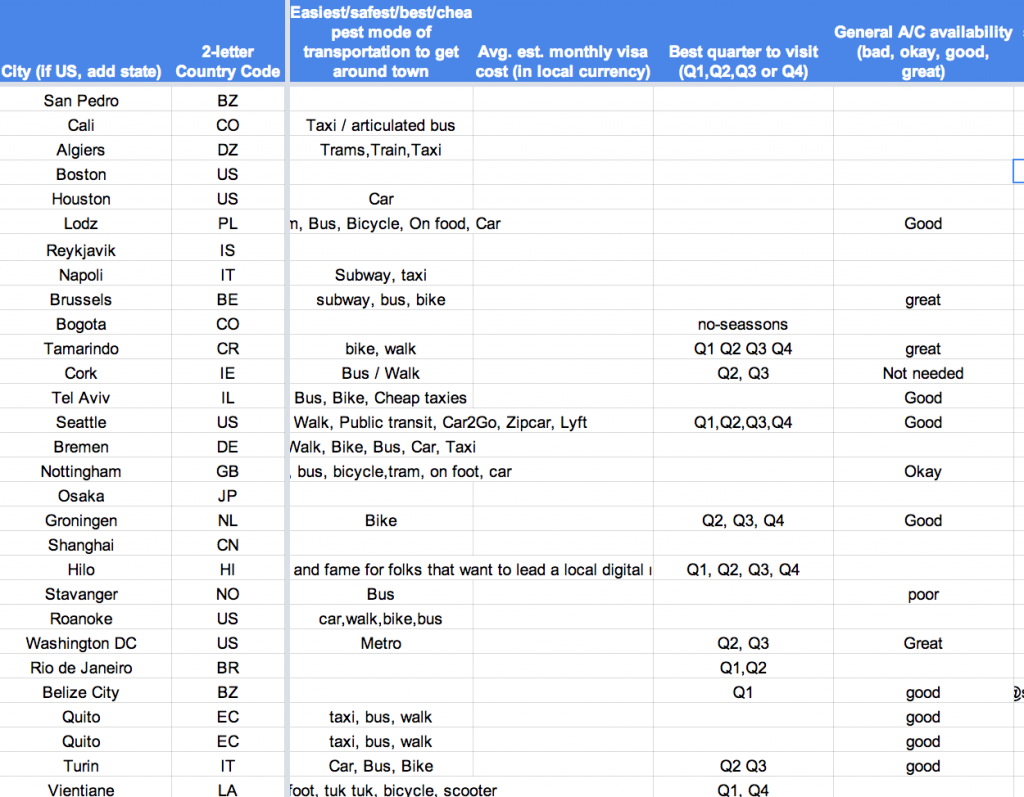
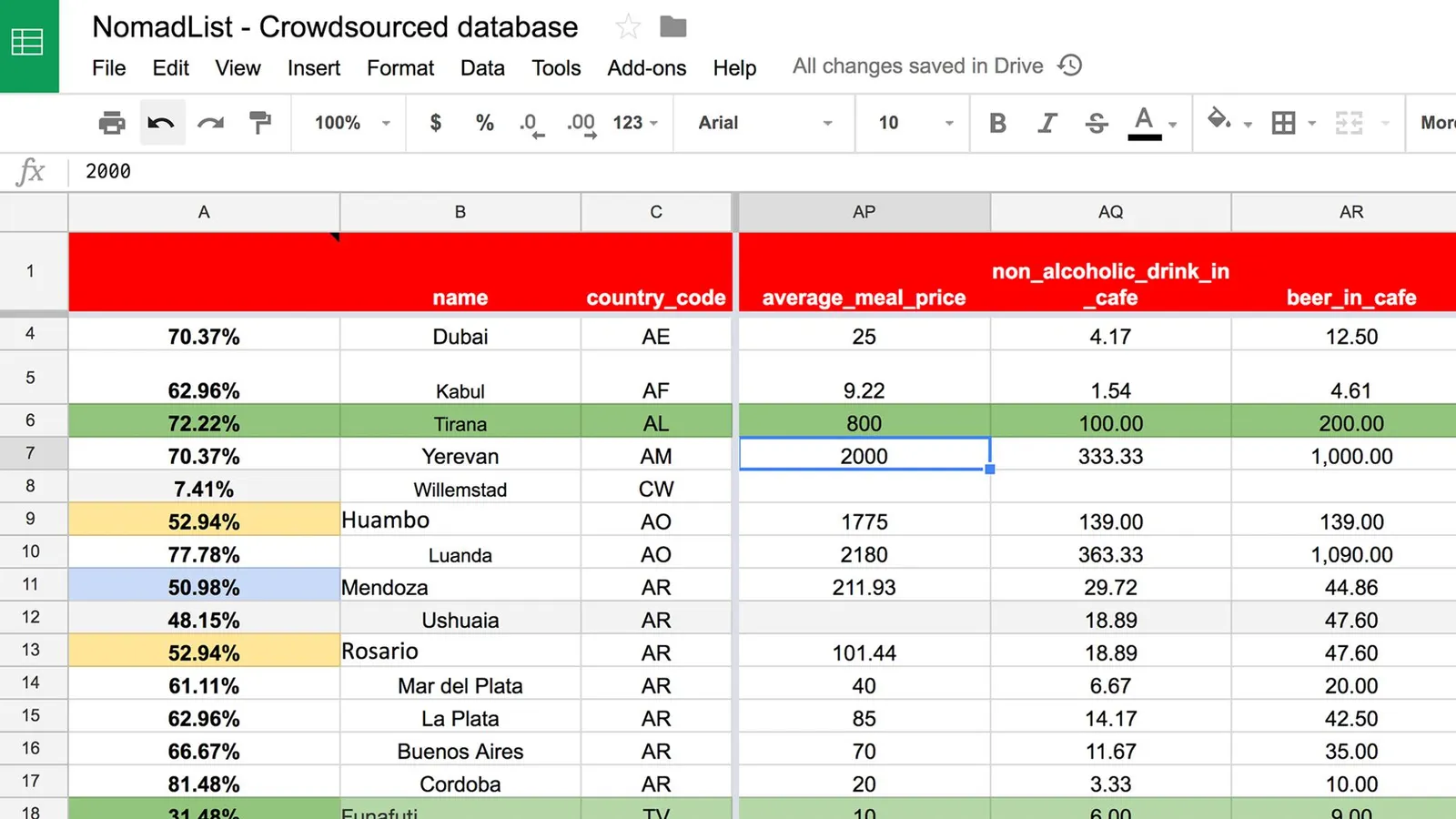
On June 24, 2014, Levels shared an editable Google spreadsheet on Twitter and invited others to contribute information about cities.
Participants supplied missing information and introduced additional comparison criteria, including safety and coffee shop availability.
In a later presentation, Levels recalled that hundreds of people, possibly around a thousand, contributed to the spreadsheet, which eventually covered 75 cities.
The response provided an early indication of demand without requiring a dedicated website.
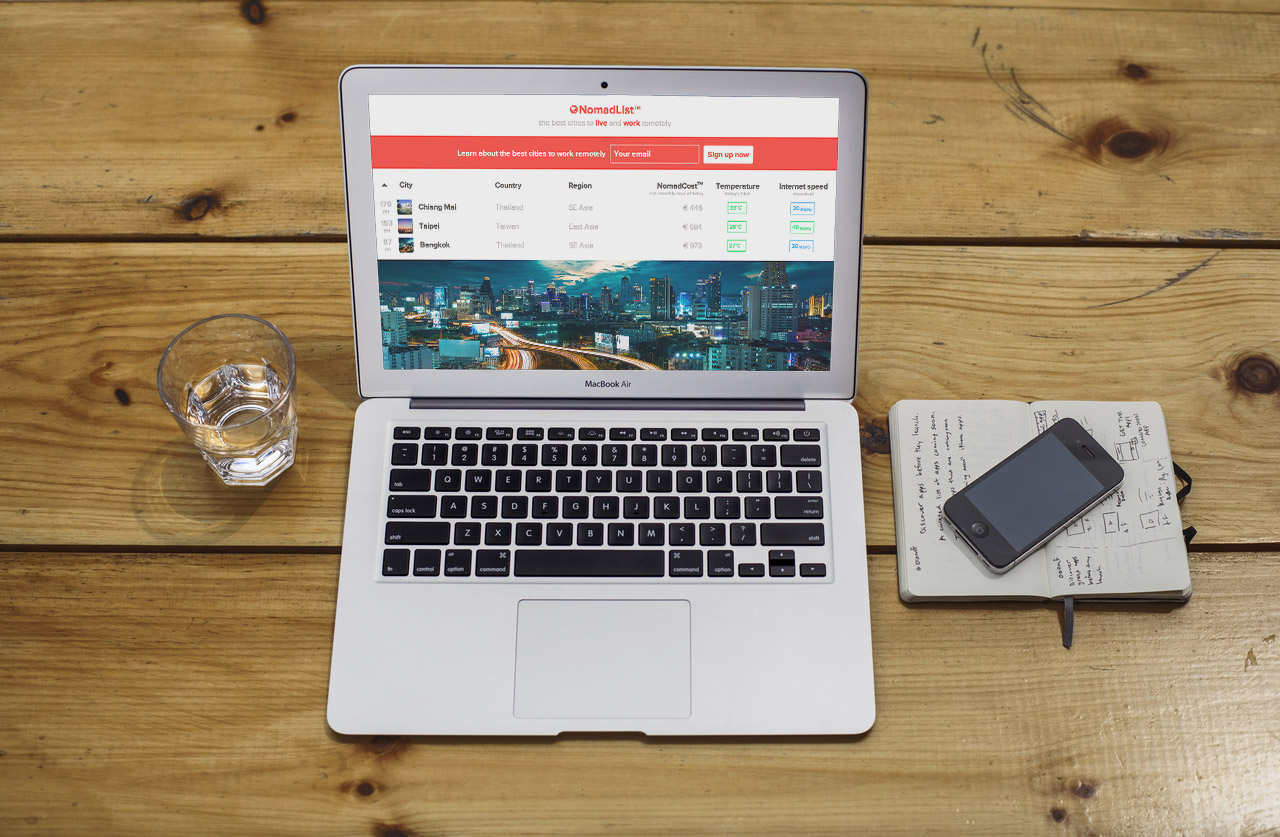
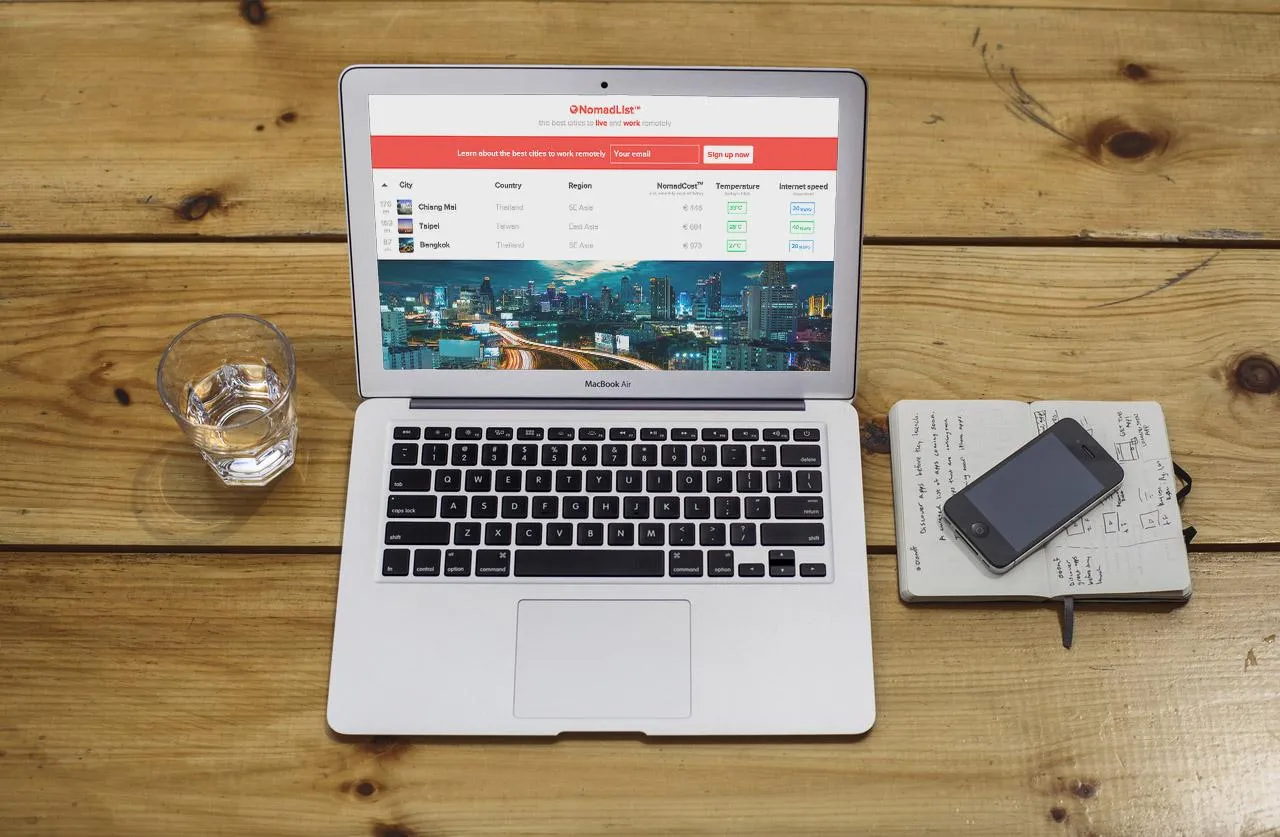
Levels transformed the collected information into a website where visitors could compare and rank cities.
The spreadsheet had already helped establish which information potential users considered valuable.
This reduced the need to guess what the initial product should contain.
Nomad List went live on July 29, 2014. Another person submitted it to Product Hunt, and Levels subsequently submitted it to Hacker News.
The website reached first place on both platforms.
Levels added an email subscription form to capture interest from launch visitors, creating a channel for future communication.
Metric | Reported Result |
|---|---|
Public Spreadsheet Released | June 24, 2014 |
Cities in the Early Dataset | Approximately 75 |
Website Launch | July 29, 2014 |
Product Hunt Ranking | #1 |
Hacker News Ranking | #1 |
Daily Unique Visitors After Launch | Approximately 3,000 |
Email Subscribers Within Two Weeks | Approximately 2,500 |
Reported Initial Profitability | First day, through sponsorship |
The figures come from Levels' original launch retrospective and later accounts. Email subscribers should not be interpreted as registered or paying users.
The website's launch traffic also benefited from media coverage and exposure on established technology communities.
Immediate value
The spreadsheet was useful even before the website existed.
Audience participation
Potential users contributed to the resource, helping the founder create something more useful than he could have produced alone.
Demand validation
Actual participation provided a stronger signal of interest than simply asking people whether they liked the business idea.
Lower development risk
The founder could observe demand and discover useful product requirements before committing to a more complex implementation.
Identify valuable information that is difficult for your target audience to find.
Create a simple spreadsheet containing an initial dataset.
Allow interested people to contribute information.
Share the resource in relevant online communities.
Monitor participation, recurring interest, and requested improvements.
Develop a dedicated product if the resource demonstrates meaningful demand.
This approach may be particularly suitable for directories, comparison websites, knowledge bases, benchmarking platforms, and other data-driven businesses.
Advantages | Limitations |
|---|---|
Low initial development costs | Requires an interested community |
Early demand validation | Contributions may be inaccurate |
Initial dataset creation | Requires moderation and verification |
Potential early user acquisition | Contributors may not become customers |
Direct insight into user needs | Less suitable for some product types |
Nomad List illustrates how user acquisition and product development can begin with the same activity.
By creating a useful resource and allowing potential users to contribute, founders can test demand while building the foundation of their future product.
However, a successful spreadsheet does not guarantee a successful business. Data quality, distribution, continued engagement, and monetization still need to be addressed.
How I got my startup to #1 on both Product Hunt and Hacker News by accident — Pieter Levels, August 2014
Turning side projects into profitable startups — Pieter Levels
Show HN: NomadList – The best cities to live and work remotely in — Hacker News, July 2014
Nomad List Launch History — Product Hunt
Early Nomad List website — Pieter Levels' launch retrospective
Original crowdsourced spreadsheet — Pieter Levels' launch retrospective